

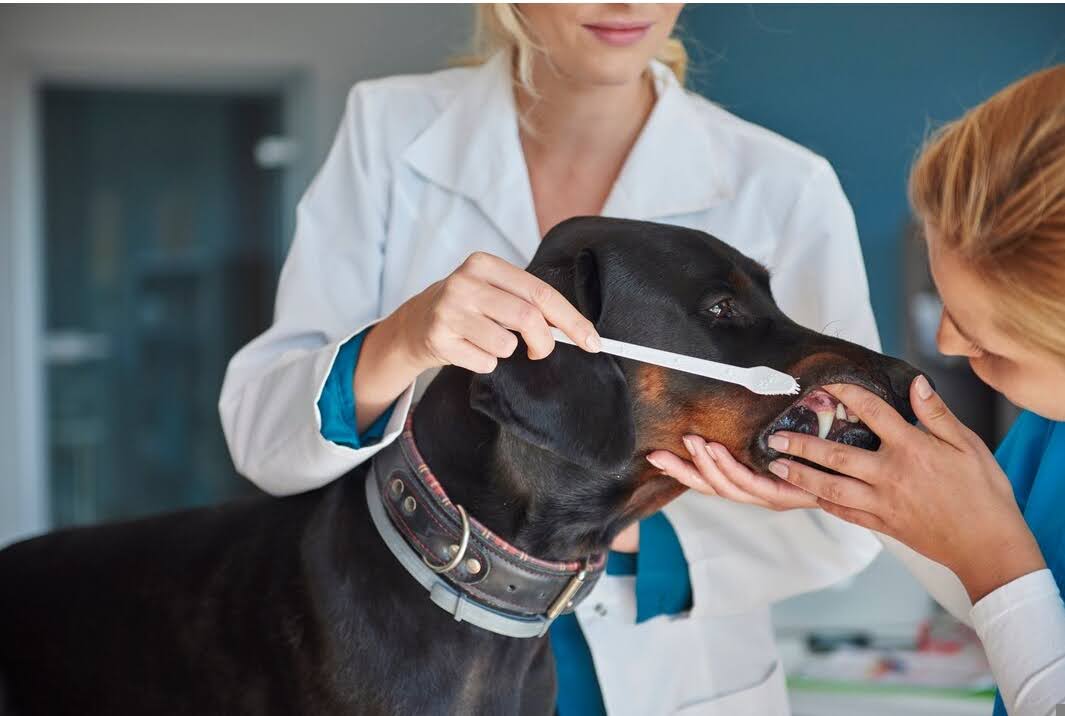
Maintaining a dog’s oral health plays an important role in overall wellness, comfort, and longevity. Poor dental hygiene can lead to infections, chronic pain, and serious health complications. Many pet owners prefer professional in-home solutions that reduce stress and provide personalized attention.
Choosing the right provider, however, requires careful evaluation. The following insights focus on decision-making without unnecessary complexity, helping pet owners benefit from safe and effective care of their dog. Read on!
1. Evaluate Professional Credentials
Professional background is the base of reliable canine oral services. A qualified provider should demonstrate formal training in animal health, veterinary assistance, or pet dental hygiene. Certifications, continuing education, and supervised clinical exposure show dedication to safe practice.
Experience with different breeds, sizes, and temperaments also indicates readiness to manage real-world challenges. An experienced professional understands early signs of gum disease, plaque buildup, and tooth sensitivity. This allows them to adjust techniques without causing discomfort.
When reviewing qualifications, focus on hands-on experience rather than general pet care claims. Proven competence reduces risk and improves outcomes during in-home sessions.
2. Assess Safety Standards
Safety protocols protect both pets and households. A reliable provider follows strict sanitation measures, including disinfected tools, disposable gloves, and clean work surfaces. Attention to hygiene prevents cross-contamination and lowers infection risk.
These standards of dental care for dogs at home should match those used in reputable veterinary environments. Dogs may show signs of anxiety or discomfort, and a responsible professional responds immediately. Clear safety guidelines show professionalism and respect for animal welfare.
Strong safety practices ensure that oral maintenance remains a positive and controlled experience.
3. Review At-Home Equipment Quality
Understanding the range of services offered helps set realistic expectations. Quality providers explain what procedures they perform and what they avoid. Providers who promise complex treatments without veterinary oversight often lack proper boundaries.
Equipment quality also matters. Modern tools designed for canine mouths improve precision and comfort. Portable lighting, gentle cleaning instruments, and calming aids demonstrate preparation and professionalism.
When a provider invests in proper equipment, it shows commitment to effective results rather than rushed service.
4. Confirm Communication Skills
Clear communication builds trust between the provider and the pet owner. A reliable professional explains each step in simple terms and answers questions confidently. This clarity helps owners understand ongoing oral care needs without confusion.
Transparent communication also signals honesty and accountability. Skilled providers also read canine body language and adapt their approach accordingly. Gentle handling reduces stress and supports cooperation.
When professionals combine communication skills with behavioral awareness, the entire process becomes safer and more efficient.
5. Compare Pricing Transparency
Cost should show service quality, experience, and safety measures. Reliable providers offer clear pricing structures without hidden charges. Transparency allows pet owners to plan responsibly while avoiding unnecessary financial surprises.
Extremely low prices may indicate compromised standards or limited expertise. Long-term value matters more than short-term savings. Consistent oral maintenance prevents costly medical issues later. Providers who focus on preventive care help dogs maintain healthier teeth and gums over time.
Investing in professional support reduces veterinary expenses related to advanced dental disease.