
Maintaining a residential property is a continuous and essential process that safeguards its structural integrity, functionality, and market value. Regular, proactive maintenance prevents small issues from escalating into expensive, complex repairs.
A well-cared-for home offers comfort and security, minimizes utility costs, and retains its aesthetic appeal.
By establishing a routine schedule for checking critical systems and prioritizing key areas, homeowners can ensure their property remains a valuable asset for decades. The following tips provide a comprehensive guide to proactive home preservation.
1. Seasonal Gutter and Downspout Cleaning
One of the most critical maintenance tasks is keeping gutters and downspouts free of debris, particularly in spring and autumn. Clogged gutters prevent rainwater from draining correctly, causing it to back up and potentially damage the roof, fascia, and foundation.
Water intrusion is a leading cause of expensive structural and mold issues. Performing this seasonal clean-out ensures efficient water runoff and protects the exterior envelope of your home from moisture damage.
2. Safeguarding Winter Comfort: Timely Furnace Maintenance
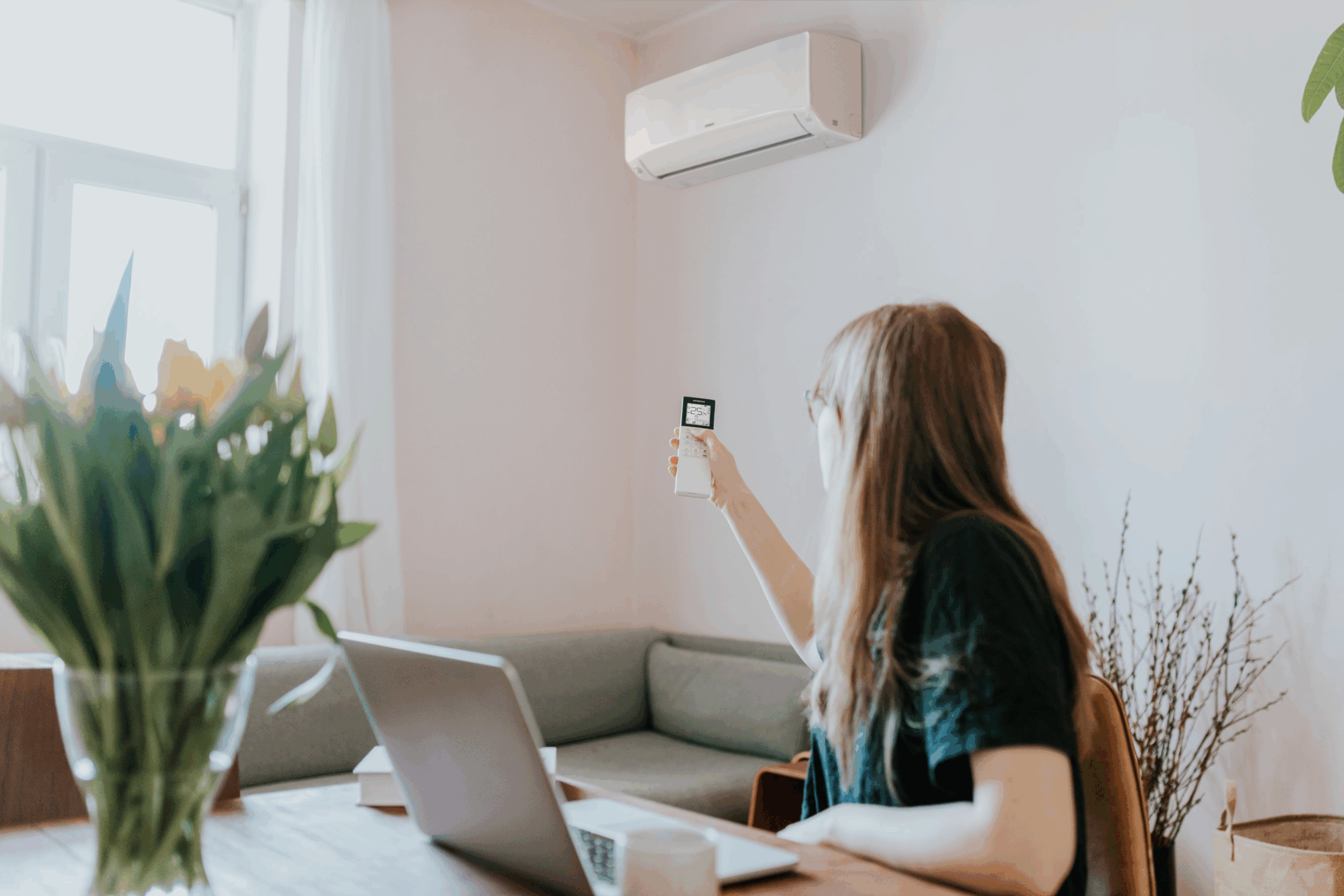
During cold months, the reliable function of your heating system is non-negotiable. Timely furnace maintenance is crucial for efficiency, safety, and longevity. Arrange for an annual check-up by a certified HVAC technician before the heating season begins.
This service typically involves checking connections, lubricating moving parts, inspecting the heat exchanger for cracks (which can release carbon monoxide), and ensuring the thermostat is accurate.
Regular furnace maintenance maximizes energy efficiency and prevents unexpected breakdowns during peak demand.
3. Regular Inspection of the Roof and Attic
The roof is your home’s first line of defense against the elements. Inspect your roof visually twice a year, looking for missing, cracked, or curled shingles. Check the flashing around vents and chimneys for signs of wear.
Simultaneously, inspect the attic for any signs of water stains, which indicate a leak, or inadequate ventilation, which can lead to premature roof deck decay and mold growth. Addressing these issues immediately extends the life of the entire roof structure.
4. Proactive Care for Water Systems: Utilizing Professional Plumbing Services
Preventative care is far less disruptive and costly than emergency intervention when dealing with water systems. Utilizing professional plumbing services for routine inspections—especially checking for leaks in exposed pipes, inspecting water heaters for corrosion, and clearing slow drains—is a wise investment.
Technicians can identify issues like high water pressure or subtle leaks that can damage walls and floors before they become major incidents. Scheduling regular plumbing services helps maintain optimal water flow and preserves the integrity of your fixtures.
5. Inspecting and Sealing Windows and Doors
Energy efficiency is highly dependent on the condition of your windows and doors. Check the caulking and weatherstripping around all openings annually. Deteriorated seals lead to air leaks, forcing your heating and cooling systems to work harder, which spikes utility bills.
Re-caulking or replacing damaged weatherstripping is an inexpensive, quick fix that offers immediate returns in comfort and energy savings.
6. Foundation and Exterior Grading Checks
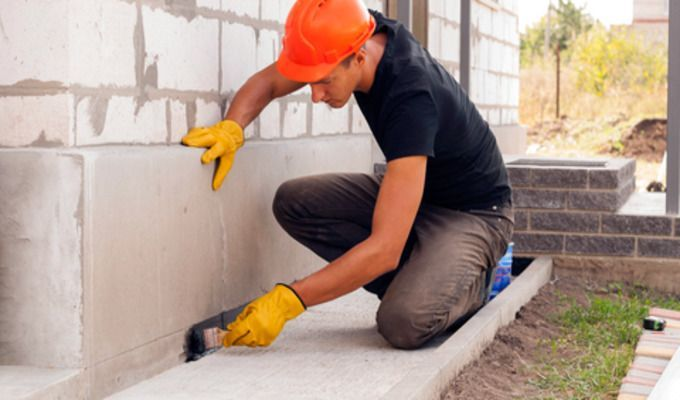
The foundation supports your entire house, so its protection is paramount. Walk the perimeter of your house to check for any new cracks in the foundation walls.
Ensure the ground slopes away from the foundation for at least six feet. Poor grading allows water to pool near the base, which can compromise the foundation and lead to basement flooding. Maintaining proper drainage around the home is fundamental to preventing structural damage.